What to wear for personal training in East Hampton? It’s a question almost every new client asks a trainer before they ever step into the gym. The goal isn’t to impress your personal trainer with fancy gym clothes, but to feel comfortable, safe, and ready to move. Simple, breathable pieces that fit well and match the studio’s dress code will help you relax, focus on your workout, and enjoy your first personal training session in Hampton.
Comfortable basics for any personal training session
Before you think about brands or colors, start with comfortable basics you can wear to the gym over and over. Your trainer wants you in apparel that feels good against your skin, stays breathable when the workout gets harder, and doesn’t distract you from listening to cues. Look for athletic fabrics that stretch in every direction and keep you dry with light, moisture-wicking technology. If your clothes fit well and allow full freedom of movement, you’ll feel more confident on the gym floor and get more out of every PT session.
Tops and layers for East Hampton workouts
When you train in a boutique studio or private gym, what you wear on top quietly sets the tone. A simple tee or polo shirt with a small logo looks presentable without feeling like business casual, and it shows professionalism and respect for the space. Think of the first personal training session as still an interview of sorts: you’re getting to know your trainer and the professional setting, and they’re getting to know you. Clean, high-quality tops that fit well, allow easy moving around, and match your trainer’s overall dress code are always a safe choice.

Light tops for indoor sessions
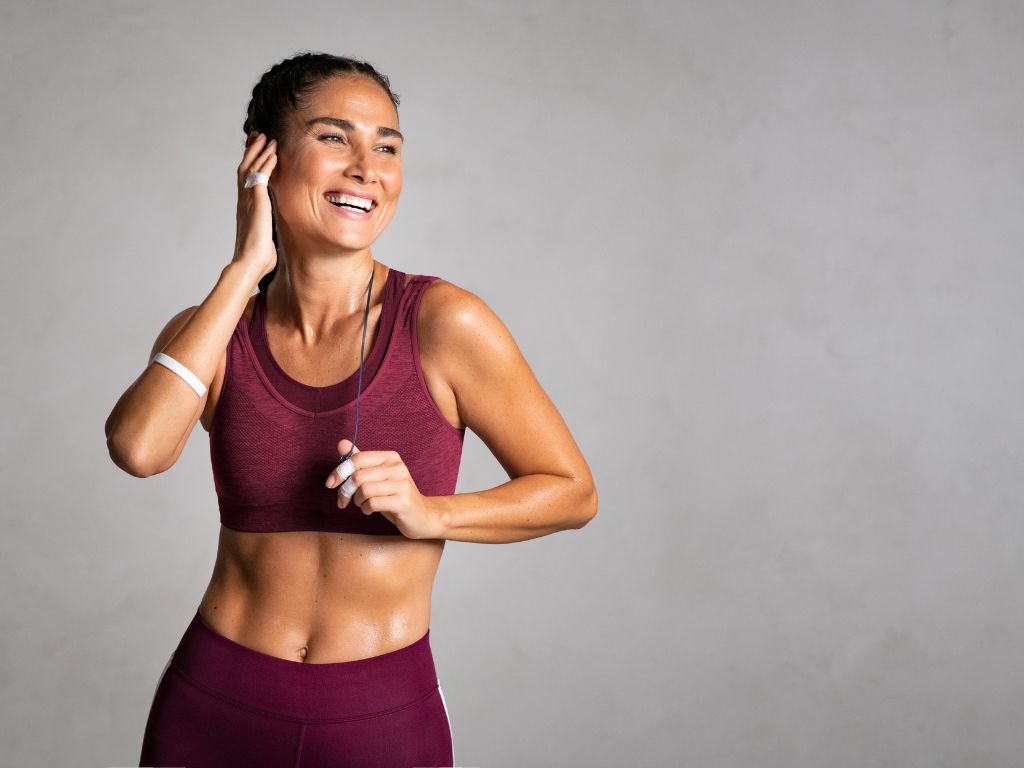
For most indoor sessions, light athletic wear keeps you comfortable from warm-up to cool-down. A soft tee shirt or fitted tank top pairs well with a supportive sports bra, giving you coverage without extra bulk. Choose breathable fabrics that feel smooth when you sweat and don’t cling awkwardly as you wear gym layers or adjust positions with your trainer. Neutral colors photograph well if your personal trainer tracks progress, but a pop of color in your gym clothes or favorite Lululemon tee can make you feel more energized for every workout.
Hoodies and outer layers for before and after your workout
Even in East Hampton, early mornings and evenings can feel chilly, so a lightweight hoodie is a smart layer to toss in your gym bag. Many clients like hoodies or a soft fleece they can wear over gym apparel while warming up or walking to the studio. Pair them with jogger styles, track pants, or relaxed sweat pants you can easily peel off once your trainer starts the session. Choose pieces that feel soft, not bulky, so you still look neat and can move freely between exercises.
Choosing the right bottoms for your training
Bottoms are where comfort and confidence really meet, especially when your trainer is coaching you through squats, lunges, and floor work. The right gym attire should stay in place as you bend, lift, and rotate, without you needing to tug at shorts or leggings after every set. Aim for pieces that are stretchy enough for any physical activity but thick enough to feel secure in a busy gym. Talk with your personal trainer if you’re unsure what’s appropriate; they know which styles work best for the equipment and typical sessions in this space.
Shorts, leggings, and pants
For most clients, a mix of fitted leggings and slightly longer shorts works best for personal training. If you prefer more coverage, gym shorts that hit just above the knee or a tapered jogger can feel secure without restricting your stride. Look for legging styles that don’t go sheer when you squat and stay put around the waist. Many people in Hampton choose familiar brand favorites like Nike or Adidas, but the key is that your workout bottoms feel supportive, comfortable, and distraction-free every time you train.
What to wear for low-impact sessions and pilates?
Low-impact sessions and pilates often involve slower, more controlled movements, so comfort and coverage matter just as much as stretch. Choose soft leggings or slim joggers with a tank top or fitted tee that won’t fall over your face when you roll or twist. A supportive sports bra is helpful even when the workout feels gentle, especially if your trainer adds core or balance work. Skip overly loose layers that flop around; streamlined pieces let your personal trainer see your alignment clearly and help you feel calm, grounded, and focused.
Footwear that supports your performance
My comprehensive approach to injury rehabilitation brings together hands-on techniques, education and structured training. Depending on your case, I may coordinate with a physical therapist or other orthopedic specialist so that treatment and rehabilitation move in the same direction. Physical therapists guide many clients through early healing processes, and physical therapists utilize a wide range of tools to help patients recover in those stages. In later phases, personal training can help you rebuild strength, refine motor control and improve joint mechanics. Together we design exercises that help reduce swelling, manage pain and reduce inflammation while gradually expanding your joint’s range of motion in a safe, progressive way so we restore function, not just mask pain and restricted movement.

