The 10-minute movement screen I use before training is a quick, practical check-in that helps you start each session with confidence. It’s not a diagnosis, and it doesn’t require special equipment. In about ten minutes, we look at a few fundamental patterns like breathing, hinging, squatting, single-leg control, and reaching overhead. Just to see what your body is ready for today. The goal is simple. Choose the safest, most effective options for your training, and avoid guessing when something feels “off” on the day.
Why I screen before we train?
I screen before we train because your body isn’t the same day to day. Sleep, stress, travel, and your last workout can change how you move, what your joints tolerate, and how stable you feel. A fast screen helps me choose the right warm-up, adjust the exercise selection, and lower risk before a hard workout. In my East Hampton sessions, I’ve used these checkpoints for years with beginners, athletes, and people returning after an injury, because it protects the goal which is consistent progress without flare-ups. Instead of forcing a plan, we earn the plan.

The 10-minute screen step by step
This 10-minute screen is a short routine made of simple drills that check movement patterns, plus enough activation to make you feel ready. I’m not hunting for perfect form or extreme mobility. I’m looking for comfort, control, and a clean repeat you can own. Each check takes about a minute, and the equipment needed is minimal (a wall, a dowel, or a low step), which makes it easy to do before any workout. Treat it like a full body warm. If something feels off, we modify early. If you want a reference.
Breathing + ribcage check
We start with breathing because it’s the foundation for how your core supports your spine during exercise. I want a calm inhale and a longer exhale that lets the ribs come down without the neck doing the work. One easy drill is inhale through the nose for 4, exhale for 6-8, and keep the shoulders quiet. If the exhale feels stuck, we change the warm-up and choose a lower-stress workout option. For many people, this is a fast release from desk tension.
Hip hinge pattern
Next is the hip hinge, a key pattern for deadlifts, RDLs, and a lot of full body training. I’m watching whether your hips move back, your torso stays stable, and the load goes to glutes and hamstrings instead of your low back. We do 2-3 slow reps to mid-shin, pause for one breath, then stand. If there’s a pinch, we shorten range, slow tempo, or swap the exercise so the workout stays productive. This hinge drill also preps the joint before heavier work.
Bodyweight squat
For the bodyweight squat, depth is optional. Control is the test. I look for feet that stay rooted, knees that track well, and a trunk that stays tall instead of folding. We do 3-5 reps with a short pause so the pattern stays smooth. If squats feel cranky, we don’t force it. We change stance, use a box, or pick a split-squat exercise. That keeps the workout effective while you warm the right tissues and build mobility safely in the gym.
Single-leg balance/step-down
Single-leg balance and a small step-down show how the hip, knee, and ankle cooperate when you’re active. I’m looking for a quiet foot, a steady knee, and a pelvis that doesn’t drop or twist. We use a low step and do 3-5 reps per side. If one side wobbles, that’s useful data for your warm-up and your exercise program, not a verdict. We can add support, reduce depth, or adjust volume to lower risk and help you perform better in daily physical activity or sport.
Shoulder reach + overhead check
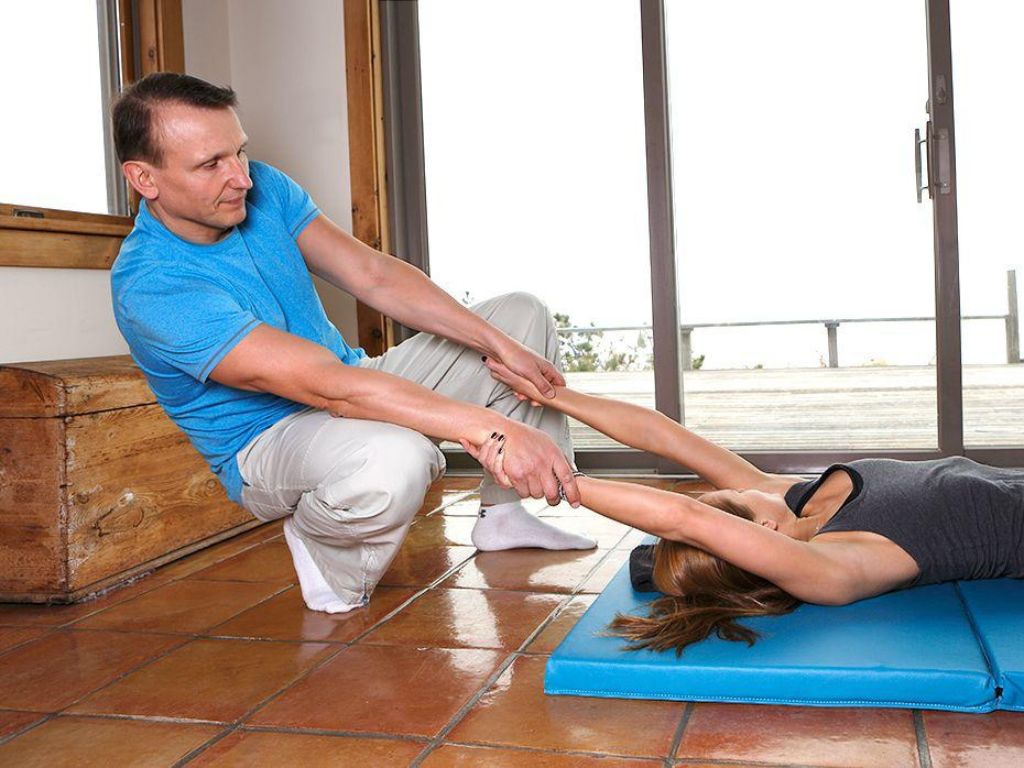
The shoulder reach and overhead check tells me if pressing overhead belongs in today’s workout. I watch rib position, neck tension, and how the shoulder blade moves as the arm goes up. If you flare the ribs or feel a pinch, we don’t chase range. We choose a friendlier exercise angle and add mobility where it truly helps. A simple drill is a wall reach with a slow exhale for 5 reps, then a gentle stretch if needed. This keeps overhead work pain-free and sets up better training options.
How the screen changes your program?
The screen changes your program by turning “what should I do today?” into clear choices. If symptoms suggest a medical condition, I’ll pause the session and recommend a medical professional. Over time, this becomes your exercise program’s compass for functional progress. You track what improves, what needs more mobility, and what’s ready to progress in a full body routine.
